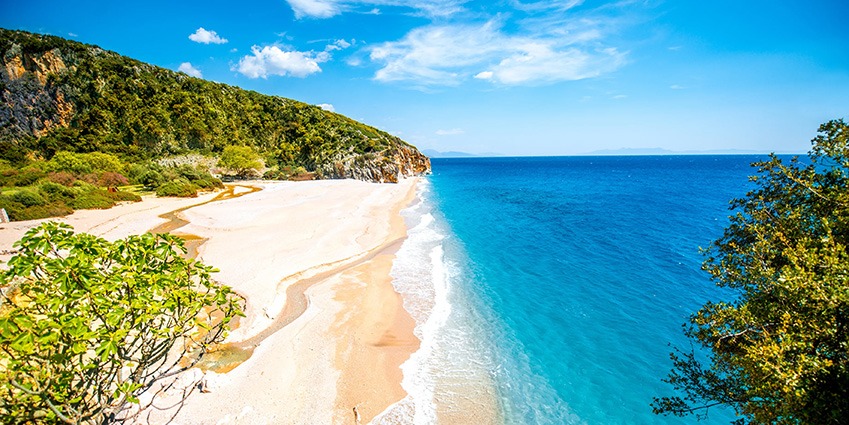
Albania’s beaches have long been celebrated as some of the most affordable and beautiful destinations along the Adriatic and Ionian coastlines.
This summer, though, the reputation is being challenged. In popular coastal towns, the cost of renting sunbeds, umbrella fees and beach bars have skyrocketed, leaving both locals and tourists shocked at the price of a simple day out on the beach. What was once seen as one of Europe’s most budget-friendly seaside experiences is quickly becoming a topic of national conversation, frustration, and debate.
Beach prices: From Durrës to Vlora, and from Saranda to the increasingly popular Ionian Riviera, beach-goers are reporting prices that would have been unthinkable only a few years ago. For a country that built much of its tourism reputation on the back of low prices, the change raises key questions about the future of the industry and who stands to benefit in the long run from higher prices.
A Summer of Rising Costs
As temperatures rise and tourists flock to Albania’s coastlines every year, informal reports of beach prices begin to circulate. But this summer, the increases seem more uniform and larger than in previous summers. In many famous tourist destinations, especially around city centres and popular beach clubs the price for a set of sunbeds and umbrella has increased significantly, from a couple of hundred lek before.
Beach bars and restaurants along the shore have also increased their prices for food, drinks and basic services. A simple coffee or soda at some of the beachfront joints now costs significantly more than the same thing bought a short walk inland. For many Albanian families, especially those on modest local salaries, this has meant a traditional summer outing has become a more calculated financial decision.
Coastal towns that used to attract lots of domestic tourists on the back of volume and affordability are now marking themselves out differently. “Many beach businesses are now targeting higher-end visitors, such as foreign tourists or members of the Albanian diaspora, who tend to have more disposable income when they come home for the summer.
Why Are Prices Rising So Fast?
Several factors are driving this year’s price jump. Rising operational costs are a major driver. Beach bar owners and sunbed rental businesses face higher expenses for staff, equipment, maintenance, and supplies. With food and drink prices on the rise across the country, coastal businesses are now feeling the squeeze, with many passing on these higher costs to their customers.
Also, the growth of tourism itself is a big factor. Albania has seen a dramatic surge in foreign visitors in recent years, with international travellers finding the country’s coastline a cheaper alternative to more expensive destinations in Croatia, Greece or Italy. As demand soars, many entrepreneurs have found a chance to up their rates — especially in the busy season, when the race for beachfront property is at its most intense.
The lack of regulation is another factor often cited by critics. Albania’s coastal tourism sector often enjoys significant pricing freedom, unlike other Mediterranean destinations where local governments impose clear price caps or licensing requirements for beach concessions. This allows individual businesses to set rates based on location, perceived demand and competitor pricing, sometimes leading to significant variation from one stretch of beach to another.
The Diaspora Factor
Albania’s growing beach prices cannot be fully understood without considering the role of the diaspora. Every summer, hundreds of thousands of Albanians abroad return home for the holidays, bringing back earnings from Italy, Greece, Germany, Switzerland and elsewhere. The annual inflow of visitors with foreign income has traditionally been welcomed by coastal businesses, as the spending of the diaspora represents a significant portion of the summer tourism revenue.
But that same dynamic could be pushing prices up for everyone else, as well. Business owners who know that diaspora visitors are often willing and able to pay more may set prices with that demographic in mind, rather than catering primarily to lower-income domestic tourists. The outcome is a pricing scheme that more and more reflects what the well-heeled visitors can afford rather than what the average Albanian family can comfortably spend.
For the diaspora families themselves, the situation is more complex. Many have more buying power than locals but can also see the price increases. Some emigrants who return every summer have publicly said they are surprised at how much beach costs have risen compared with previous years, implying that even relatively well-off visitors are feeling the pinch of this year’s pricing trends.
Squeeze Local Families
For many Albanian families, a day at the beach has been one of the most accessible and affordable summer activities. A trip to the local beach didn’t carry the extravagant cost of transportation, food and possibly sunbed hire that more expensive holidays overseas did. Such affordability transformed the coast into a democratic space for all income groups.
But that availability now seems to be breaking down in some places. Families are finding they need to plan more, pick less central beach locations, take their own food and drinks to avoid high prices on the beachfront or cut back on how frequently they visit the coast during peak summer months. Others have opted for free public beach areas, where you don’t have to rent a sunbed or umbrella, even if it’s less comfortable or amenity-rich.
This shift has led to wider discussions about access and inequality. Critics say the Albanian coast, a resource for all citizens, should not be a place reserved for the few who can afford premium pricing. Some argue the rising prices are just market realities and the natural progression of a maturing and more competitive global tourism market.
Albania and Regional Destinations
Even with this summer’s price increases, Albania’s beaches are still generally cheaper than many comparable spots in Croatia, Italy or Greece. That cheapness has been a big part of Albania’s appeal as a rising tourist destination, pulling in budget-conscious visitors from across Europe who want Mediterranean beauty without the price tag of more established resorts.
But it appears the gap is closing. Albanian beach businesses are raising prices to make more money from the increasing number of tourists and some destinations are reaching price points that are no longer noticeably cheaper than in neighbouring countries. This presents an important strategic conundrum for Albania’s tourism industry: How much is its competitive advantage based on affordability, and what if that advantage is lost?
Some industry observers say that if prices continue to rise at this rate, Albania could lose some of its appeal to budget travelers who may increasingly see the country as being on a par with destinations with more established infrastructure, services and reputation.
What Owners Are Saying
The price hikes are necessary and reasonable, not surprisingly, say many beach business operators. Rising costs of doing business, the short operating season which means making enough money during the season to cover costs the rest of the year and the investments many have made in recent years to upgrade facilities, cleanliness and service quality are cited.
Some say higher prices reflect better standards. Beach clubs with better infrastructure, more attentive service and higher quality food and beverage will naturally be more expensive than basic setups. From this perspective, price increases are not just about the higher price for the same thing but about providing an improved product that warrants the higher price.
Others acknowledge that pricing has become more aggressive this year – sometimes more than rising costs alone would warrant – and partly blame this on competitive pressure and a desire to maximise revenue during Albania’s relatively short and intense tourist season.
The Future
Albania’s beach season lasts through the summer of 2026, meaning the argument over prices is unlikely to go away. For local families, continuing to find ways to enjoy the coastline without over-spending will remain a challenge. The annual homecoming to Albania’s beaches may increasingly come with a bit of sticker shock for diaspora visitors. For the wider tourism industry, how to balance profitability with accessibility is likely to be a key issue in policy debates and business strategies in the future.
But whether this year’s price spike is a blip driven by the short-term cost pressures, or the start of a more permanent shift to higher-priced coastal tourism, remains to be seen. It is clear that Albania’s beaches, once known mainly for their natural beauty and low prices, are now also becoming a symbol of the wider economic changes that are remaking the country’s relationship with tourism, its diaspora and its own citizens.
Be First to Comment