Albania is one of Europe’s most interesting travel destinations, yet it still feels refreshingly less crowded than many of its Mediterranean neighbors. Located on the Balkan Peninsula, between the Adriatic and Ionian seas, the country combines dramatic mountain landscapes, long beaches, ancient towns, Ottoman-era streets, and a culture shaped by hospitality.For many visitors, Albania is a surprise. They may arrive expecting a simple beach holiday and leave with memories of mountain roads, family-run restaurants, stone villages, archaeological parks, colorful cities, and conversations with locals who are proud to share their country. It is a place where a short drive can take you from a lively capital city to a quiet lake, from a historic castle to a coastal village overlooking clear blue water.
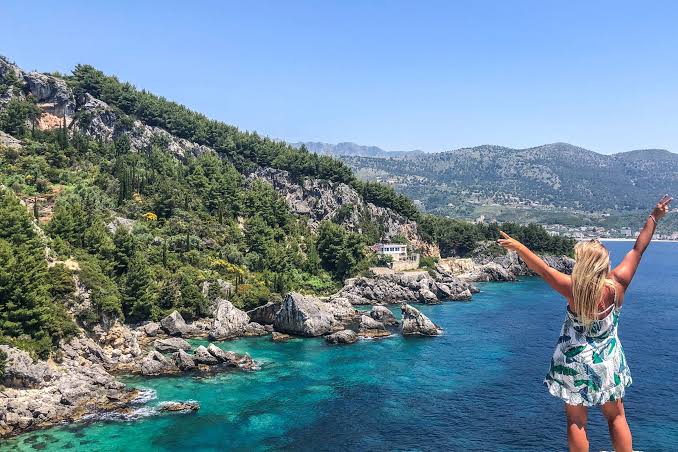
Albania is not a destination that should be rushed. The best experiences often come from slowing down, trying local food, speaking with people, and leaving room in your itinerary for an unplanned stop. Whether you are looking for a summer escape, an outdoor adventure, or a cultural journey through southeastern Europe, Albania offers far more than many travelers expect.Why Albania Is Worth VisitingOne of Albania’s biggest strengths is variety. In a relatively small country, travelers can visit beaches, mountains, lakes, historical towns, and modern cities without spending days on the road. This makes Albania a practical choice for people who want more than one type of holiday.The Albanian Riviera is known for its bright water, rocky bays, and relaxed seaside atmosphere. Inland, the landscape changes quickly. The north is home to high mountains and traditional villages, while the south offers ancient ruins, hilltop towns, and peaceful countryside. Tirana, the capital, adds another side to the experience with cafés, museums, nightlife, public art, and a fast-changing urban identity.Albania is also appealing because it still feels personal. In many destinations, tourism can feel highly organized and predictable. Albania often feels more direct and spontaneous. A restaurant owner may recommend a hidden beach. A guesthouse host may explain the history of a village. A local driver may point out a viewpoint that does not appear in every travel guide.This does not mean the country is untouched or undiscovered. Albania has become increasingly popular, especially during the summer season. However, many regions still offer a sense of discovery, particularly for travelers willing to explore beyond the most famous beaches.Tirana: Albania’s Energetic CapitalMost international visitors begin their trip in Tirana. The city is not a traditional European capital filled with grand old boulevards and royal palaces. Instead, it has a more modern, colorful, and energetic character. Tirana tells the story of a country that has changed rapidly over the past few decades.Skanderbeg Square is the natural starting point. It is surrounded by important landmarks, including the National Historical Museum, the Et’hem Bey Mosque, and the Opera and Ballet Theatre. The square is large and open, making it a useful place to understand the layout of central Tirana before exploring smaller streets and neighborhoods.One of the city’s most meaningful attractions is Bunk’Art, a museum created inside a former nuclear bunker. These underground spaces offer visitors a powerful introduction to Albania’s communist past. The exhibits focus on life under the former regime, political control, isolation, and the country’s transformation after communism. It is an emotional but important experience for anyone who wants to understand modern Albania beyond travel photography.Tirana is also a city of cafés. Albanians take coffee seriously, and sitting at a café is part of everyday social life. The Blloku district is especially popular for restaurants, bars, boutique shops, and nightlife. Once an area reserved for communist leaders, it is now one of the liveliest parts of the city.For a view over Tirana and the surrounding landscape, visitors can take the cable car toward Mount Dajti. The journey offers a break from city traffic and reveals how closely the capital is connected to the mountains. On a clear day, the views are wide and memorable.The Albanian RivieraThe Albanian Riviera is often the first place people think of when planning a summer trip to Albania. This stretch of coastline in the south is famous for its turquoise water, steep hills, quiet coves, and small villages. The road along the Riviera is an experience in itself, with mountain passes opening onto views of the Ionian Sea.Dhërmi is one of the best-known destinations on the coast. It attracts travelers looking for beaches, music, restaurants, and a more active summer atmosphere. The village sits above the sea, while the beach area offers a mix of hotels, beach bars, and open stretches of shoreline.Further south, Himarë is a favorite among visitors who want a more relaxed base. It has a friendly small-town feel, with a promenade, restaurants, and access to several beaches nearby. Himarë works well for travelers who want to spend several days swimming, exploring villages, and taking short drives along the coast.Jalë and Livadh are also popular for clear water and a more informal beach experience. During July and August, these areas can become busy, particularly on weekends. Travelers who prefer quieter conditions may enjoy visiting in late May, June, September, or early October, when the sea is still inviting and the roads are less crowded.Ksamil, close to the Greek border and the ancient city of Butrint, is one of Albania’s most photographed beach areas. Its shallow water and small islands give it a distinctive appearance. Because of its popularity, it is best to arrive early in the day during peak season. Despite the crowds, the color of the water and the nearby scenery make it a memorable stop.The Riviera is more than beaches. It is also about local seafood, sunset dinners, mountain views, and slow evenings near the sea. Fresh fish, grilled vegetables, olive oil, cheese, and local wine are common parts of the coastal dining experience.Sarandë and ButrintSarandë is a lively coastal city in southern Albania and an important base for exploring the region. It has a long waterfront promenade, a wide choice of accommodation, and regular summer activity. Some travelers use it simply as a gateway to Ksamil, but Sarandë also has its own appeal, especially for visitors who enjoy busy seaside evenings.The city faces the Greek island of Corfu across the water, giving it a distinctly Mediterranean setting. Restaurants along the promenade become active in the evening, when locals and visitors gather for walks, coffee, and dinner.A short drive south of Sarandë is Butrint, one of Albania’s most important cultural sites. The archaeological park includes remains from several historical periods, including Greek, Roman, Byzantine, Venetian, and Ottoman influences. Walking through Butrint feels different from visiting a museum because the ruins are surrounded by trees, wetlands, and water.Visitors can see an ancient theatre, city walls, a baptistery, temples, and other structures that reveal how the settlement developed over centuries. Butrint is ideal for travelers who want to combine a beach holiday with history and culture. It is best visited early in the morning or later in the afternoon, especially during hot summer days.Gjirokastër: The Stone CityGjirokastër is one of Albania’s most distinctive destinations. Known for its stone houses, steep streets, and hilltop castle, the city has a strong identity and a dramatic setting in southern Albania. Its historic center is built into a hillside, with traditional Ottoman-style homes rising above narrow cobbled lanes.The castle dominates the city and offers views over the valley below. Inside, visitors can explore different sections of the fortress and learn more about the region’s history. The castle has played many roles over time, from a military stronghold to a prison, and it remains one of the most impressive landmarks in the country.What makes Gjirokastër special is its atmosphere. The streets are not perfectly flat or polished for tourists. They are steep, uneven, and full of character. Small shops sell handmade items, local crafts, souvenirs, and traditional products. Family-run restaurants serve regional dishes, often using recipes passed down through generations.Gjirokastër is also closely associated with Albanian writer Ismail Kadare, whose work brought international attention to Albanian literature. Travelers interested in culture will find that the city provides a deeper perspective on the country’s history and identity.A visit here works particularly well with a trip to Sarandë, Butrint, or the southern coast. Spending at least one night is recommended, as the city becomes quieter and more atmospheric after day visitors leave.Berat: Windows, Hills and HeritageBerat is another historic Albanian city that should not be missed. Often called the “City of a Thousand Windows,” it is known for its white Ottoman-era houses climbing up the side of a hill. From across the Osum River, the buildings create one of the most recognizable views in Albania.The Mangalem quarter is the most famous part of the city, with traditional houses, narrow streets, and a strong sense of history. Across the river, the Gorica neighborhood offers a quieter perspective and beautiful views back toward the old town.Above Berat stands the castle, which is not simply a monument but a living area where people still have homes, gardens, churches, and small businesses. Walking through the castle grounds gives visitors the feeling of entering a historical village rather than a closed attraction.Berat is a good destination for travelers who enjoy photography, architecture, history, and local food. It is calmer than Tirana and less focused on nightlife than the Riviera. The city rewards visitors who take their time, walk without a strict plan, and stop for a coffee overlooking the old neighborhoods.The surrounding region is also known for vineyards and countryside. A local wine tasting or a meal outside the city can add another layer to the experience.The Albanian AlpsNorthern Albania offers a completely different landscape from the coast. The Albanian Alps are dramatic, remote, and ideal for travelers who love hiking, fresh air, and rural scenery. The best-known areas include Theth and Valbonë, two mountain villages surrounded by high peaks and deep valleys.Theth has become one of Albania’s leading adventure destinations. Visitors come to hike, photograph traditional stone buildings, visit the old church, and see the famous Lock-In Tower, which reflects part of the region’s complex historical traditions. Nearby natural attractions include waterfalls, mountain trails, and the Blue Eye of Theth, a striking pool of clear water reached by a scenic walk.Valbonë is located in the Valbonë Valley, an area known for wide mountain views, rivers, wooden guesthouses, and hiking routes. The trek between Valbonë and Theth is one of the most famous hiking experiences in Albania. It is demanding but rewarding, offering panoramic views that are very different from the country’s coastal landscapes.Travel in the Alps requires more preparation than travel in Tirana or along the Riviera. Roads can be narrow, weather can change quickly, and some services may be limited outside the main season. However, the effort is worth it for visitors who want to experience a quieter and more traditional side of Albania.Guesthouses are an important part of the experience. Meals are often home-cooked, portions are generous, and hosts may share stories about the region. For many travelers, this personal connection becomes one of the highlights of the trip.Albanian Food and HospitalityFood is a major part of traveling in Albania. Albanian cuisine reflects Mediterranean, Balkan, Ottoman, and Italian influences, but it has its own local identity. Meals are often simple, fresh, and based on seasonal ingredients.Byrek is one of the country’s most familiar foods. It is a baked pastry filled with ingredients such as cheese, spinach, meat, or vegetables. It is widely available in bakeries and makes an easy breakfast or snack while traveling.Tavë kosi is another traditional dish, usually prepared with lamb, rice, yogurt, and eggs. It is rich, comforting, and often described as one of Albania’s signature meals. Fërgesë, a dish commonly made with peppers, tomatoes, cheese, and sometimes meat, is another local favorite.Along the coast, seafood is widely available. Grilled fish, calamari, mussels, shrimp, and octopus are common on restaurant menus. In mountain regions, visitors may find more meat-based dishes, homemade bread, local cheese, honey, and preserved vegetables.Hospitality is central to Albanian culture. Guests are generally treated with warmth, especially in smaller towns and family-run businesses. Learning a few Albanian words can make interactions even more enjoyable. “Faleminderit” means thank you, while “përshëndetje” is a common greeting.Practical Travel TipsAlbania is easiest to enjoy when travelers remain flexible. Public transport connects many major towns, but schedules may not always be as predictable as in larger European countries. Renting a car can be useful for exploring beaches, mountain areas, and smaller villages at your own pace.Summer is the busiest period, especially along the coast. July and August bring hot weather, lively nightlife, and crowded beaches. May, June, September, and October are often better choices for travelers who prefer milder temperatures and fewer visitors.Cash is still useful in many places, particularly in smaller towns, local markets, and rural areas. Card payments are increasingly available in hotels, supermarkets, and larger restaurants, but carrying some local currency is practical.When driving, allow extra time. Distances may look short on a map, but mountain roads, traffic, and frequent scenic stops can make journeys longer than expected. This is not always a disadvantage. Some of Albania’s best moments happen between destinations, when the road opens onto a coastline, a valley, or a village that was never part of the original plan.A Destination That Stays With YouAlbania is not defined by a single attraction. Its appeal comes from contrast: a capital city full of energy, beaches with clear water, mountains that feel remote, and towns where history remains visible in everyday life.It is a destination for travelers who appreciate authenticity over perfection. Some roads may be rough, services may vary from place to place, and plans may change. But these details are often part of what makes the country memorable. Albania feels alive, welcoming, and full of stories waiting to be discovered.For visitors willing to go beyond the obvious, Albania offers a travel experience that is both affordable and deeply rewarding. It is a country where the Mediterranean meets the mountains, where ancient history sits beside modern change, and where every region offers a different reason to stay a little longer.
Be First to Comment